How to take an ECG | The easiest way to diagnose heart diseases
How to take an ECG?
Taking an electrocardiogram is a simple, painless and risk-free test that a doctor prescribes to check the electrical activity of the heart. The results of an electrocardiogram can provide the doctor with useful and valuable information about the patient's heart health. Stay with us in this article to get to know how to take an ECG, its importance and important medical recommendations related to it.
Easy accessShare content
Instagram Facebook X-twitter TelegramWhat are the methods of taking an ECG?
There are various methods to perform an electrocardiogram or electrocardiogram as a non-invasive method to record the electrical activity of the heart, each of which can be used in their own specific conditions and how to take an electrocardiogram depends on the type of prescription.
Types of ECG
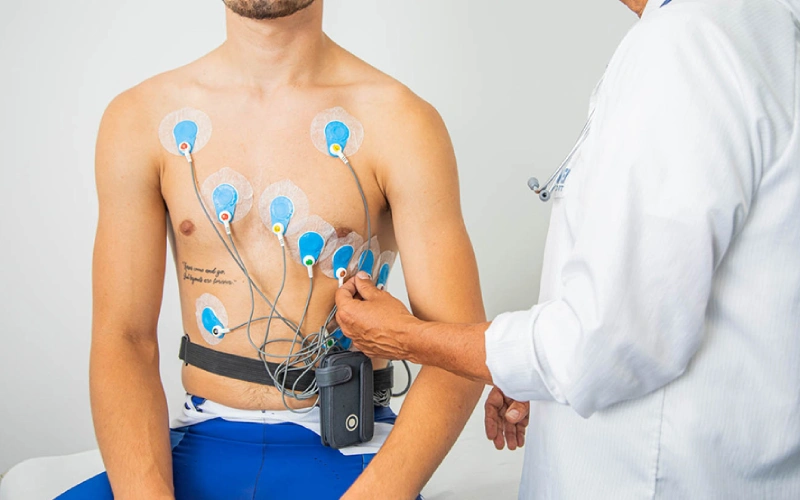
- 12-lead heart tape (standard): This heart tape is known as the most common type. This type of ECG recording is done by using 10 electrodes connected to the body, which results in recording 12 different leads (views or angles) of the patient's heart activity. This method is used to diagnose general heart diseases.
- Holter heart tape: How to perform a Holter type of heart recording is that for a period of 24 to 48 hours and sometimes longer, a small device is attached to the body and this device records the activity of the heart without interruption and continuously during this period. This method is suitable for detecting cardiac arrhythmias that cannot be seen in a normal ECG.
- Stress heart tape: In this method, the way to take a heart tape is based on the recording of heart activity during exercise or drug stimulation. This method is useful for diagnosing coronary artery diseases and also checking the patient's heart function while performing physical activities.
- Long-term signal ECG: How to perform this ECG is similar to the Holter ECG, except that the duration of its recording is longer and lasts from several weeks to several months. Diagnosing rare arrhythmias and evaluating the effectiveness of treatments performed on the patient are among the uses of this ECG.
- Intracardiac electrocardiogram: How to take an intracardiac electrocardiogram is to insert electrodes directly into the heart, which are used for more accurate diagnosis of some arrhythmias and heart conduction disorders.
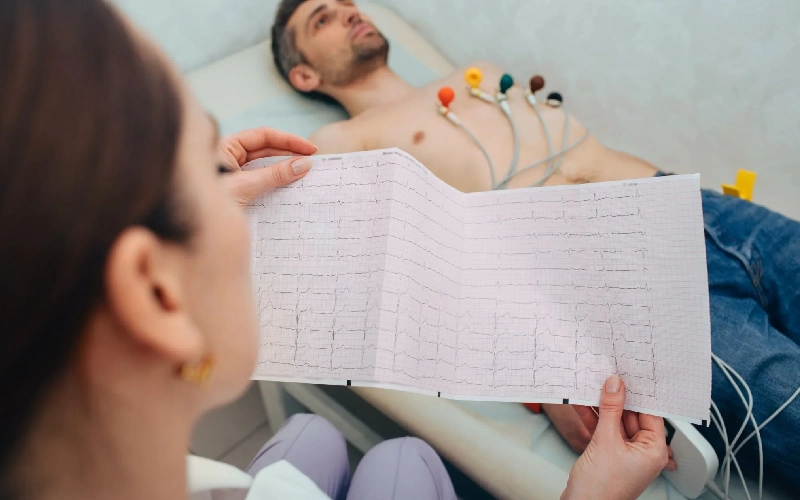
Obviously, if you need to do a heart tape, it is undeniable and necessary to refer to a cardiologist to prescribe and provide the necessary information in this field.
What happens during an EKG
- At the same time as the ECG starts, you will not feel any pain. You may only feel a little burning or itching in the connection area of the electrodes, which is very minor.
- The way to perform an EKG is that during it you must be still and calm because any movement or talking may affect the result.
- In some cases, you may need to hold your breath for a few seconds to increase the accuracy of the result.
- After completing the test, the doctor interprets the results of the electrocardiogram and makes appropriate decisions if there are any problems or diseases.
How to take an ECG and the importance of doing it
The heart tape as a medical diagnostic tool to check heart health is a very simple method but at the same time very important. In this section, we will examine how to perform an electrocardiogram and its importance separately.
How to do ECG
Generally, how to take an ECG has very simple steps. in such a way that:
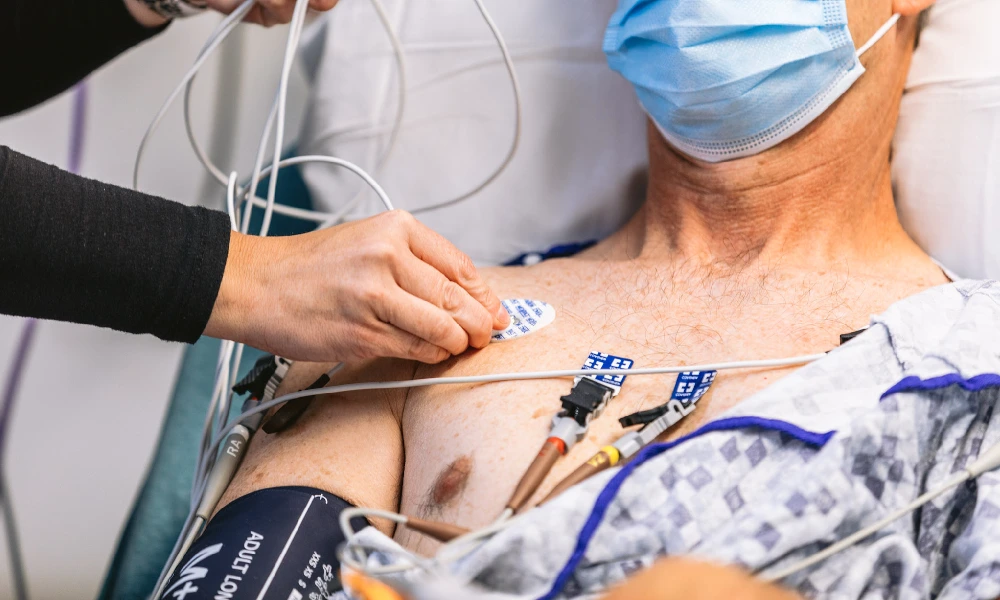
- Preparation: There is no need to fast or prepare before taking the ECG. First, take off your tight clothes so that the electrodes can be easily placed on your skin. According to the technician's opinion, your body position can be lying down or sitting.
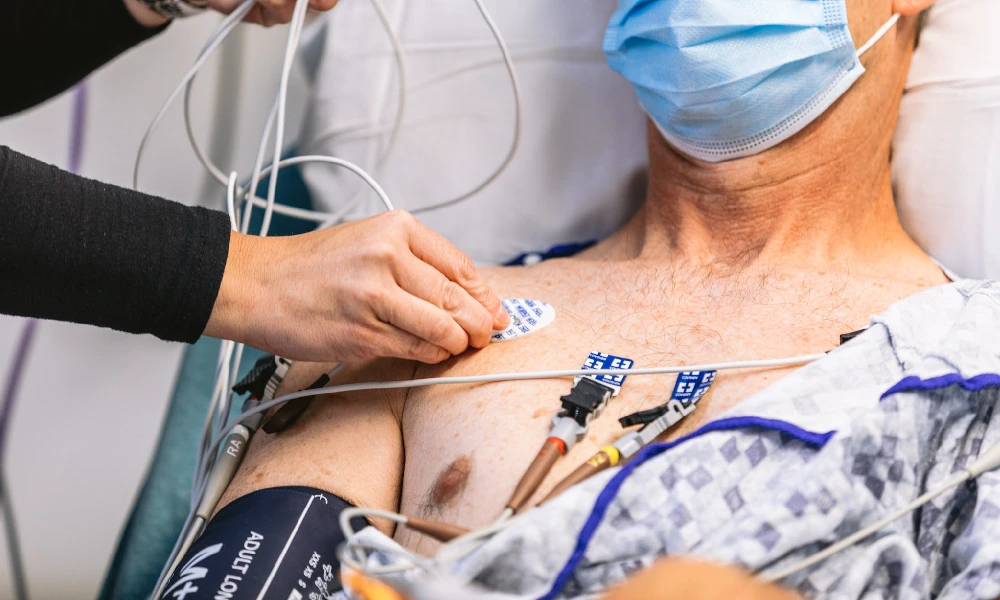
- Electrode connection: In this step, the technician connects small electrodes to your chest, arms, and legs, which are connected to the EKG machine. After connecting, the electrical signals of the heart begin to be received by the electrodes and are transferred to the electrocardiogram machine.
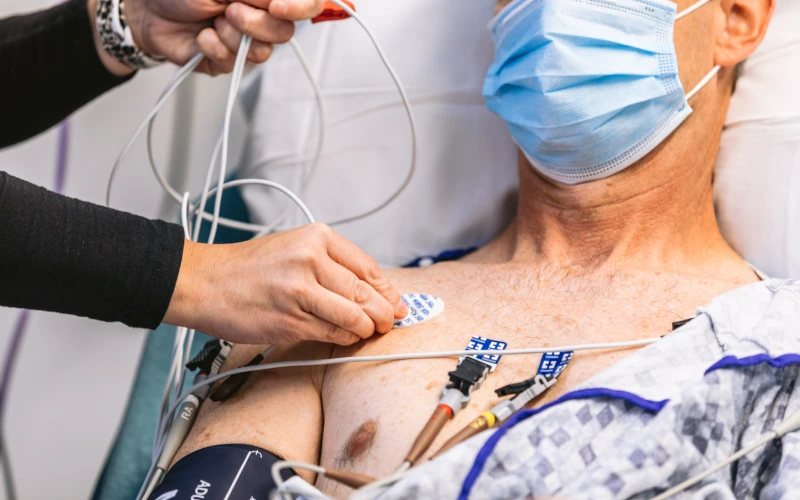
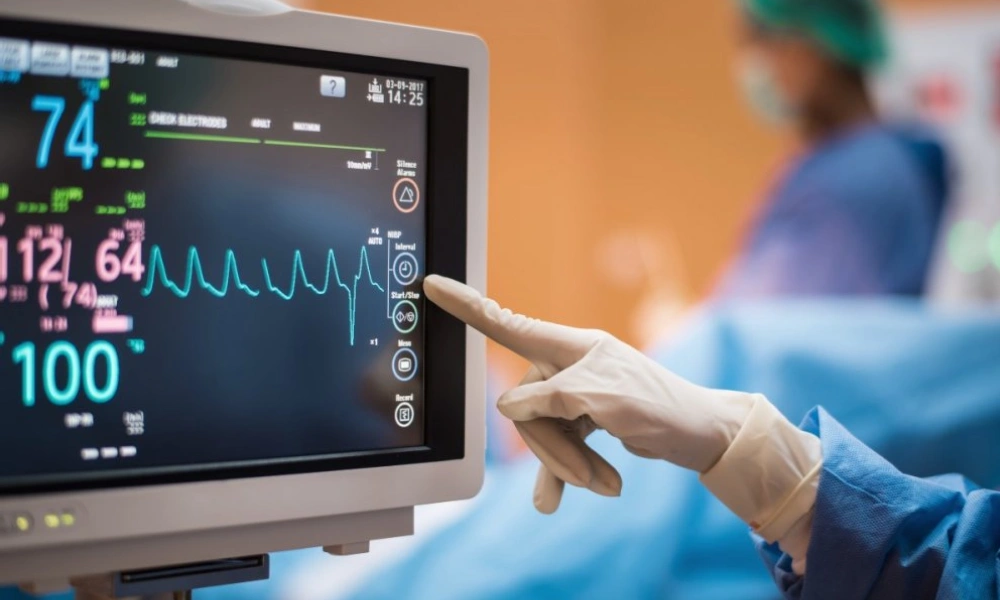
- EKG recording: The signals received from the heart are recorded by the EKG machine in the form of a graph on paper or a monitor, which shows the electrical activity of the heart during each beat.
- At the end and after the complete recording of the signals, the technician will remove the electrodes from you and the test will end.
Why is it important to take an EKG?
Carrying out an electrocardiogram can help the doctor in many cases affecting the health of the patient's heart. Things like:
- Diagnosis of heart diseases including arrhythmias, heart attacks, enlarged heart and valvular problems
- Monitoring the treatment and checking the effectiveness of drugs and heart treatments prescribed for the patient and making changes if needed
- Predicting the risk of heart diseases as an early diagnosis and predictive tool
- Early diagnosis of heart diseases because many heart diseases in the early stages do not have symptoms that can be seen in the electrocardiogram and prevent serious risks.
- Diagnosis of cardiac damage to the heart muscles such as what happens during a heart attack.
Preparations before taking an ECG
Besides the simplicity of how to take an ECG, following some conditions and providing some preparations will increase the accuracy of this test and complete its results. Preparations such as:
- Calmness: Since having stress has a direct effect on the way the heart beats, having calmness and avoiding stress is very effective in getting more accurate results and making it easier to perform an electrocardiogram.
- Avoidance of intense activity: Avoid doing heavy physical activities such as intense sports and... immediately before performing an electrocardiogram.
- Light meal: There is no need to fast before the EKG, but a light meal before the EKG is recommended. Hunger or satiety and overeating can also affect the way of taking the ECG and its result.
- Medications: Consult your doctor about taking or not taking any medications that have already been prescribed for you before performing an echocardiogram. The doctor's advice may be based on stopping some of them before doing the ECG so that the way of taking the ECG is optimal and you get more accurate results.
- Wounds and infections: If you have a wound or skin infection in the chest area or upper limbs, be sure to tell your doctor before performing an EKG.
- Men: Men should shave their chest hair so that the electrodes stick well to the skin.
- Appropriate clothes: Wearing loose and suitable clothes and avoiding tight clothes before performing an EKG to facilitate connecting the electrodes to the body will bring you comfort and relaxation while performing an EKG.

Advantages of ECG
The heart strip has many advantages as a method for early diagnosis of heart diseases. including :
- Simplicity and safety: How to take an EKG is very simple and EKG is a painless test.
- High speed and accuracy: ECG results can be interpreted quickly and have high accuracy.
- Reasonable cost: Due to the way the ECG is performed, this method is more affordable than other imaging tests.
- Repeatability: ECG can be repeated as many times as needed to check changes in heart activity.
In what cases is it more recommended to take an ECG?
If there are different conditions, the doctor prescribes an ECG for the patients. These conditions can be described as follows:
- Existence of cardiac symptoms: such as chest pain, palpitations, shortness of breath, dizziness, weakness and fatigue and fainting
- Screening: An electrocardiogram may be ordered as part of a routine checkup for people with risk factors for heart disease (such as high blood pressure, diabetes, obesity, and a family history of heart disease).
- Before surgery: Before performing some surgeries, especially heart surgeries, an electrocardiogram is necessary to evaluate the health of the heart.
- Professional athletes: To ensure the health of your heart
- Family history of heart diseases: such as heart attack, angina or arrhythmia Risk factors for heart diseases: high blood pressure, diabetes, high cholesterol, obesity and smoking
- Before surgeries: especially heart surgeries
- Evaluation of the effectiveness of treatments: For example, in case of taking cardiac drugs or follow-up of treatment after surgery
- Screening: as part of periodic examinations for heart disease screening
- Persons who use a pacemaker: To check the performance of the pacemaker
- People who are treated with certain drugs: drugs that affect the heart rhythm
It is important to note that if you have any of the mentioned heart symptoms, quick and timely consultation with a specialist doctor to prescribe and perform heart tape will protect you from very serious possible risks.
Does the ECG have complications like CT Scan and MRI?
Heart tape is one of the safest medical tests and has no serious complications. Among the reasons for the safety and security of the electrocardiogram, the following can be mentioned:
- Non-use of radiation: The method of performing an electrocardiogram is not based on the use of any kind of radiation. Therefore, there is no need to worry about damage to body tissues.
- No injection of contrast material: There is no need to inject contrast material in the ECG, which may cause allergic reactions in some people.
- Non-creating a magnetic field: The use of a magnetic field has no place in the way an EKG is taken, so it is also safe for people with metal implants or other medical devices.
How long does the process of taking an ECG take?
The type of ECG prescribed, the patient's condition such as cooperation and calmness, and his lack of movement and speech during the ECG, as well as skin problems (eczema or sensitivity makes it difficult to connect the electrodes) have an effect on how to perform the ECG and the time required for it. But in general, a standard normal heart strip takes about 5 to 10 minutes.
Who is not recommended to take ECG?
Despite the safety of the EKG, it may not be recommended due to the steps involved in taking an EKG in some special situations, including the following cases.
- Existence of open wounds in the chest area
- Existence of severe burns in the chest area
- Severe skin problems such as eczema or psoriasis Allergy to glue
 Why care about leg veins? Solutions to prevent vascular problems
02
April
Why care about leg veins? Solutions to prevent vascular problems
02
April
 10 effective ways to maintain heart health and prevent cardiovascular diseases
02
April
10 effective ways to maintain heart health and prevent cardiovascular diseases
02
April
 introduction of several home treatment methods for varicose veins
07
D
introduction of several home treatment methods for varicose veins
07
D
 Preparation before taking an ECG; Should we be fasting to take an ECG?
07
D
Preparation before taking an ECG; Should we be fasting to take an ECG?
07
D
 The least dangerous methods of treating coronary artery occlusion
07
D
The least dangerous methods of treating coronary artery occlusion
07
D
 3-day apple weight loss diet
07
D
Your comments
0
0
votes
Article Rating
Subscribe to
Login
0 Comments
the oldest
the most recent
The most votes
Feedback (Feedback) inline
View all comments
3-day apple weight loss diet
07
D
Your comments
0
0
votes
Article Rating
Subscribe to
Login
0 Comments
the oldest
the most recent
The most votes
Feedback (Feedback) inline
View all comments